

MWW
A Trailblazer
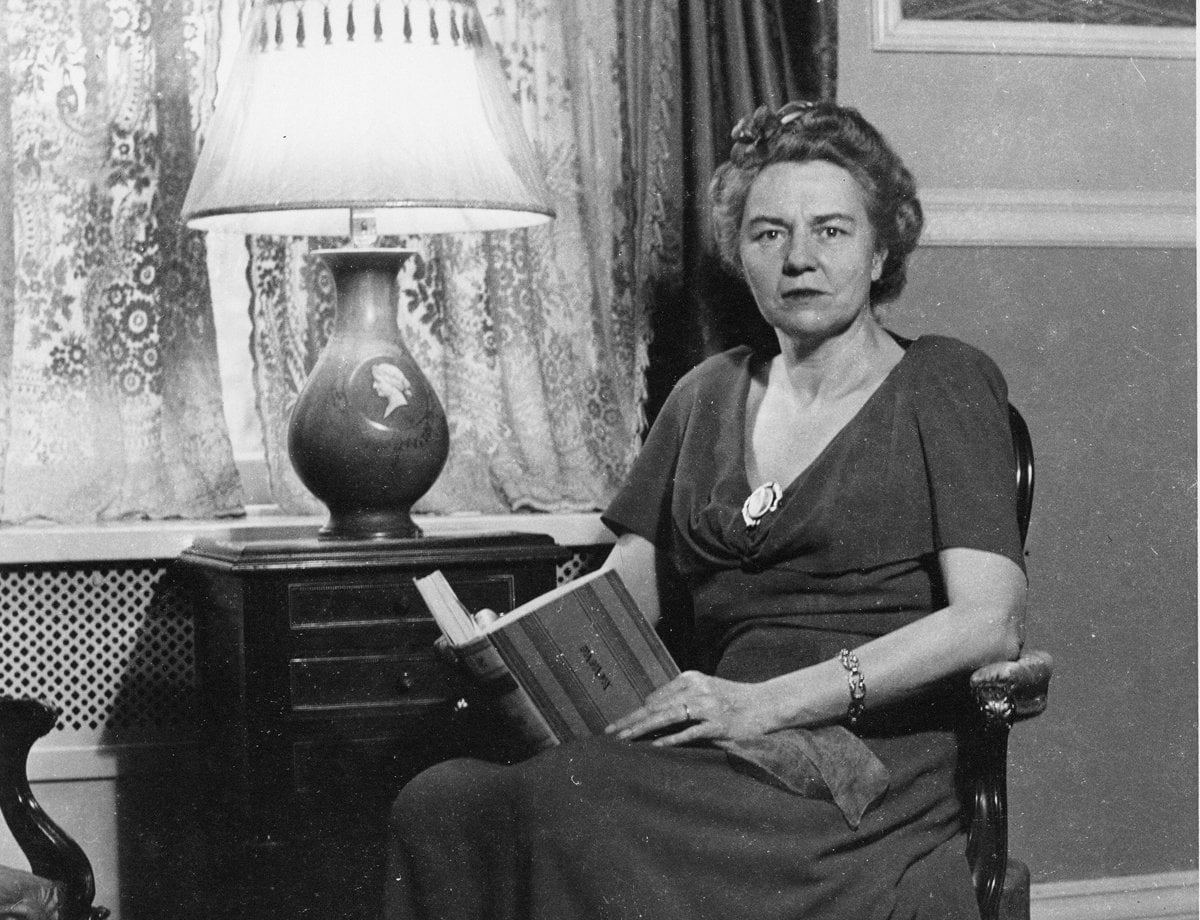
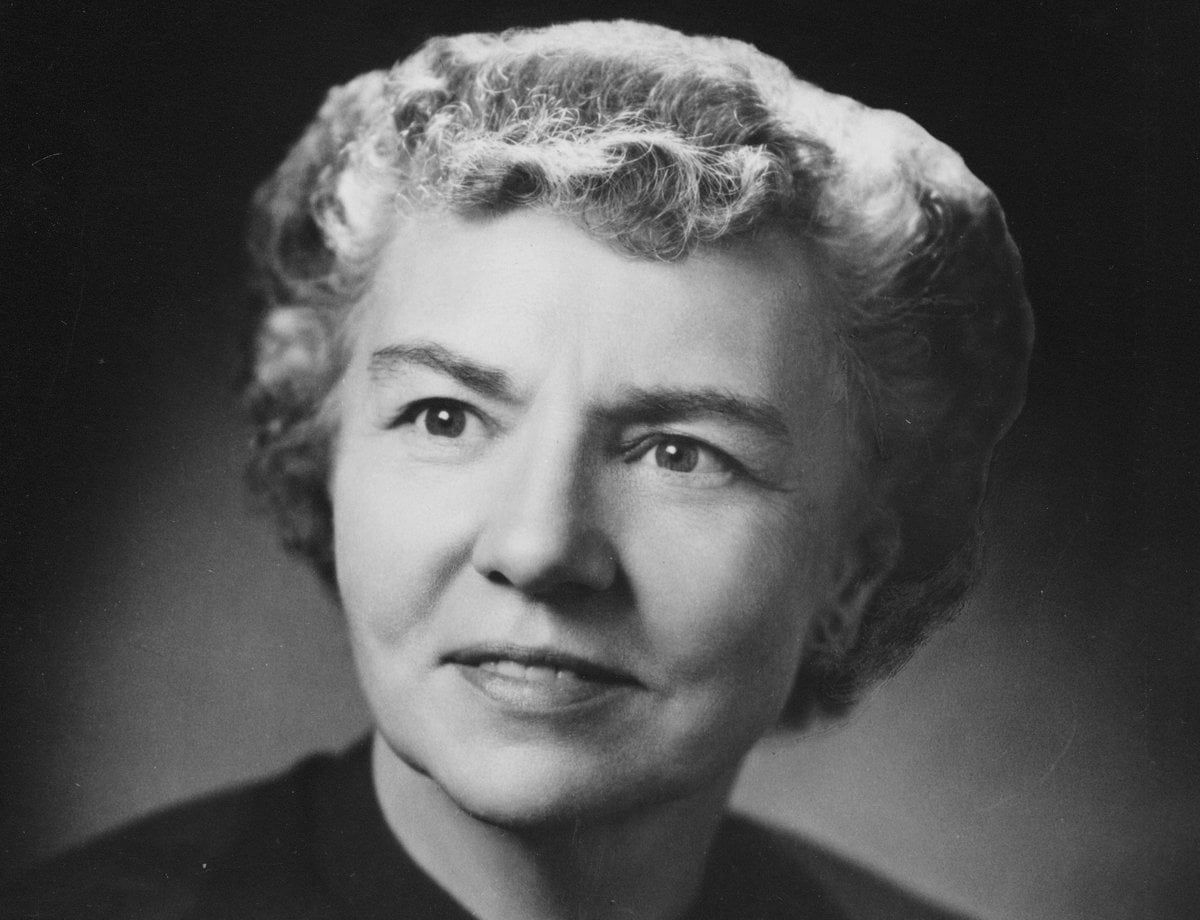
Mildred Westervelt Warner was a once-in-a-lifetime force—an extraordinary woman whose legacy continues to inspire. Those who knew her agreed: there was no one else like Mildred.
As President and CEO of Gulf States Paper Corporation from 1938 to 1957—and its de facto leader for a decade prior—Mildred shattered expectations. At a time when women were rarely seen in executive roles, she stood at the helm of a major integrated paper company, guiding it through the Great Depression and World War II with vision, resilience, and unwavering determination. Her leadership not only ensured the company's survival during the most turbulent periods in modern history but laid the foundation for its continued success.
But Mildred's impact extended far beyond the boardroom. She was a devoted mother, a trusted friend, a savvy businesswoman, and a generous community leader. She balanced the roles of homemaker, civic advocate, and industrial executive long before such a balance was considered possible. Her warmth, wisdom, and wit were matched only by her deep commitment to family, faith, community, industry, and conservation.
Upon her passing in 1974, one newspaper captured her legacy perfectly: "A great and regal lady, Mrs. Warner was also a pioneer and leader among businesswomen. She manifested to a far greater degree the place of women in industrial, business and political roles than has been matched by anyone since."
Mildred Westervelt Warner was not just ahead of her time—she helped define it.
Rooted in Legacy, Driven by Vision
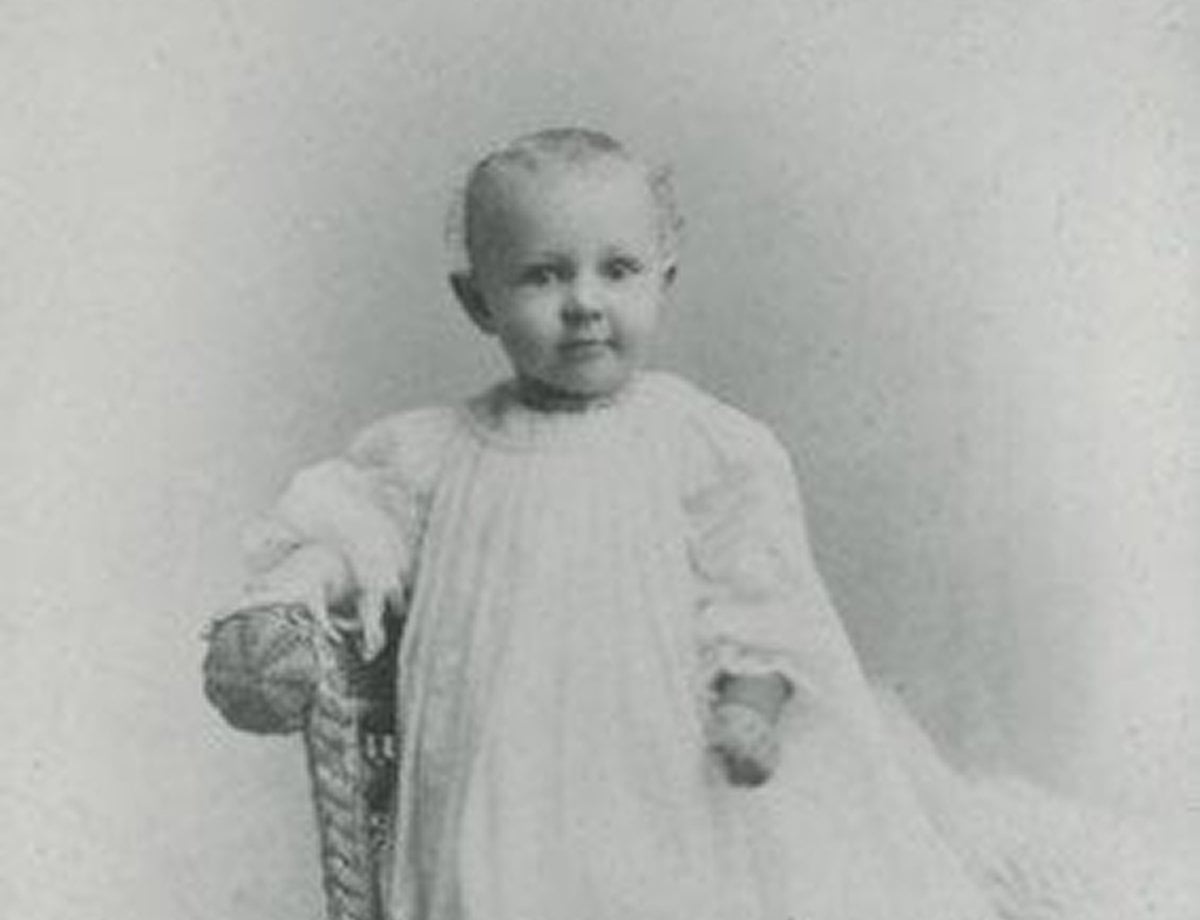
Mildred Grace Westervelt was born on July 2, 1893, in Mechanicsville, New York, at her mother's family home near the Hudson River. In an era before electricity, her birth was fondly remembered as a "lamp-lit, blessed event." From the beginning, Mildred was surrounded by a legacy of intellect and purpose—her father, Herbert Eugene Westervelt, was the son of a Congregational minister, and her grandmother was among the first women to attend Oberlin College, the first coeducational college in the U.S.
When Mildred was just a year old, the family moved to South Bend, Indiana, where her father had founded a paper bag business in 1884—what would eventually become The Westervelt Company. Though her family lovingly recalled her as a happy and beautiful baby, Mildred later joked that they may have been biased, as she was the first grandchild. She once quipped that relatives often reminded her how "beautiful" she "used to be."
Mildred's childhood was shaped by both challenge and opportunity. A childhood illness kept her from active play, but it also brought her closer to her father and the world of business. With no brothers and a sister less interested in the family enterprise, Mildred became her father's constant companion. She later wrote, "I learned about straw paper with my ABCs and was familiar with the dimensions and diversities of square and E-Z Opener bags long before I started measuring parallelograms in geometry."
She began grade school in 1901 and graduated from South Bend High School in 1909 at the age of 16. Her early interests were far from typical for a young girl of her time—she devoured editorials and business news, and eagerly joined in on conversations traditionally reserved for men. "I loved to horn in on men's conversations," she later admitted, "because they talked on subjects which interested and stimulated me."
After high school, Mildred attended Lasell Junior College near Boston, where she studied accounting and business law. Upon graduating, she embarked on a tour of Asia before returning to South Bend with plans to continue her education—already well on her way to becoming the pioneering leader she would one day be.
A Partnership in Life and Leadership
Mildred’s path took a meaningful turn when she met Herbert David Warner at a meeting of the South Bend Community Chest, a forerunner of today’s United Way. Their connection was immediate—just three weeks later, they were engaged. Though she had planned to continue her university education, Mildred instead returned to Lasell for a special course in domestic science, preparing for a new chapter in both her personal and professional life.
The couple married on July 17, 1915, in a ceremony at Mildred’s family home in South Bend, Indiana. That October, both Mildred and Herb joined her father’s company, marking the beginning of a lifelong partnership in business and in marriage.
Together, they formed a dynamic team. Mildred led with vision and boldness, becoming a trailblazer for women in industry, while Herb focused on the financial and legal foundations of the business. Their complementary strengths helped shape the future of what would become The Westervelt Company.
The Family Business: A Legacy in Motion
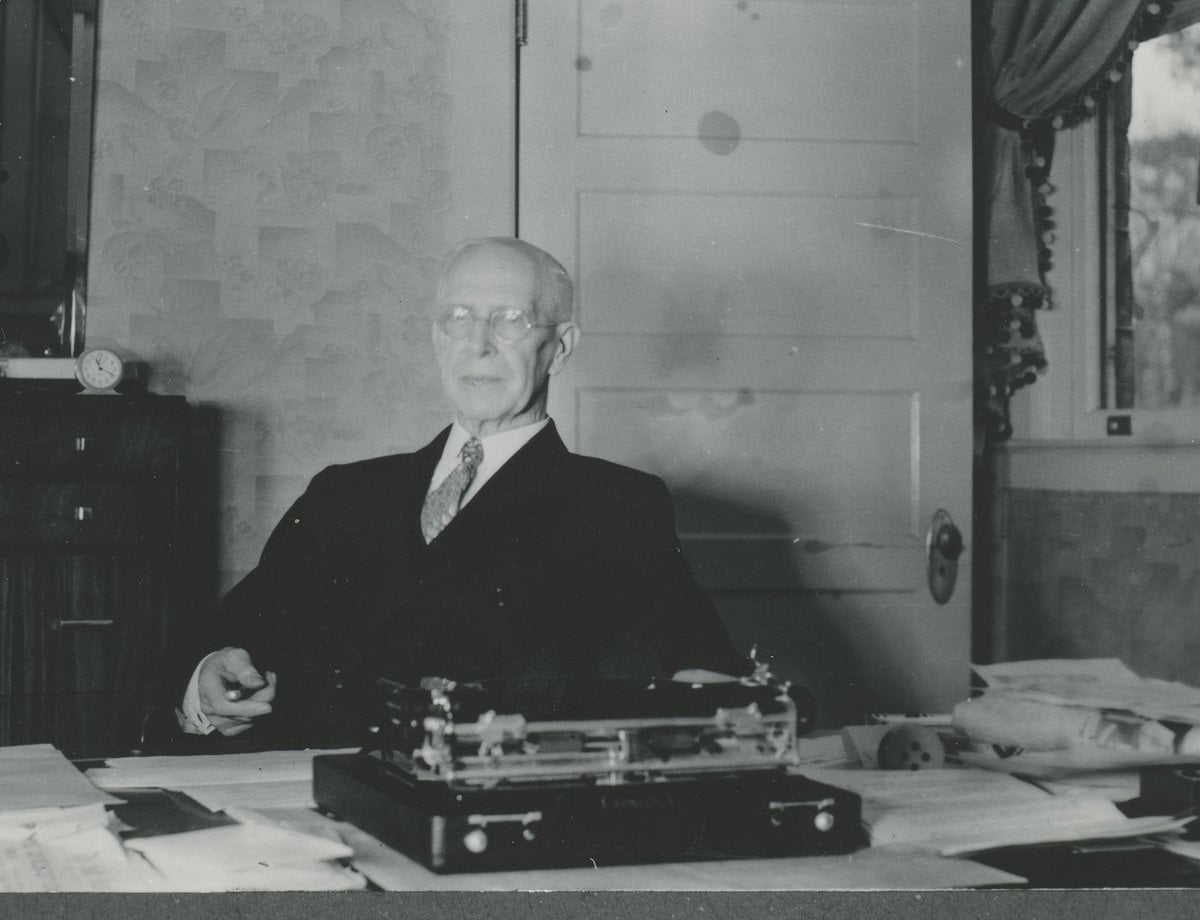
Herbert Westervelt had unwavering confidence in the next generation of leadership. He believed deeply in his daughter Mildred's ability to guide the company's future and in his son-in-law H.D. Warner's financial and legal expertise. Together, they would become a formidable team at the helm of what would soon be known as Gulf States Paper Corporation.
The early 20th century marked a transformative era for the Southern pulp and paper industry. Between 1900 and 1930, the South emerged as a powerhouse in kraft paper production, thanks to its abundant pine forests, labor force, water resources, and proximity to key markets. Technological advances and the growing demand for kraft products fueled rapid expansion. By 1930, the South accounted for over half of the nation's pulp production, with Gulf States Paper Corporation playing a pivotal role in that growth.
In 1917, Mildred and H.D. Warner relocated to Decatur, Illinois, where they assumed leadership of the company's production and financial operations. Their partnership in business mirrored their partnership in life—Mildred brought vision and strategic insight, while H.D. provided financial stewardship and legal acumen.
In 1928, as Herbert Westervelt entered semi-retirement, 35-year-old Mildred was promoted to Executive Vice President, and H.D. was named Secretary-Treasurer. That same year, construction began on a new mill in Tuscaloosa, Alabama—a bold move that would anchor the company's future in the South and solidify its role in the region's industrial rise.
Family Life: A Heart at Home
Mildred Westervelt Warner found deep fulfillment in every facet of her life—creating a warm and welcoming home, serving her community and church, and leading with distinction in the business world. She embraced each role with grace, purpose, and joy.
The Warner home in Tuscaloosa was a reflection of Mildred's warmth and elegance. Filled with carefully curated furniture and decorative pieces from her travels, it was a place where friends and family gathered often, drawn by the beauty of the surroundings and the genuine hospitality within.
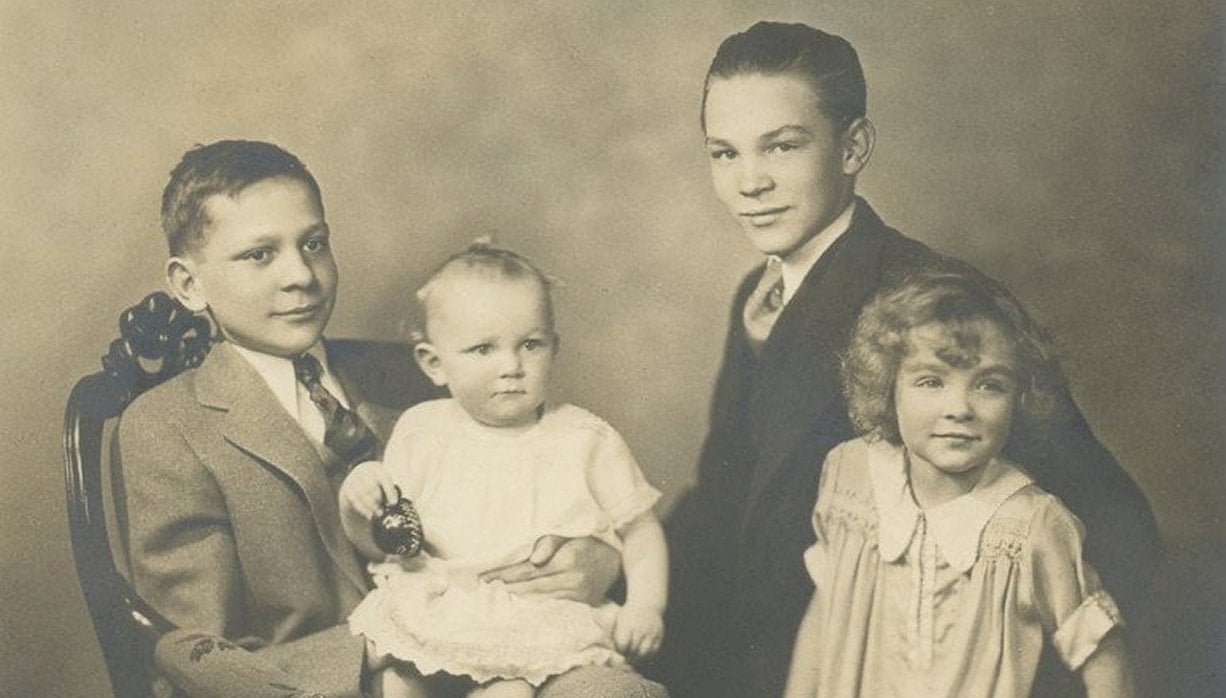
Mildred and her husband, H.D. Warner, raised four children:
David Warner, born in the spring of 1916
Jonathan "Jack" Westervelt Warner, born July 28, 1917
Joan Warner, born in 1926
Helene Warner, born December 1929
Family was at the heart of Mildred's life, and her love extended beyond her own household. After a tragic incident in 1931, the Warner family became passionate advocates for children's safety, particularly in teaching swimming. Mildred dedicated much of her life to building facilities and funding programs that supported children across Alabama, ensuring that future generations had access to resources, education, and care.
Her legacy as a mother, community leader, and compassionate visionary lives on in the lives she touched and the values she championed.
Leading the Company: Vision with Heart
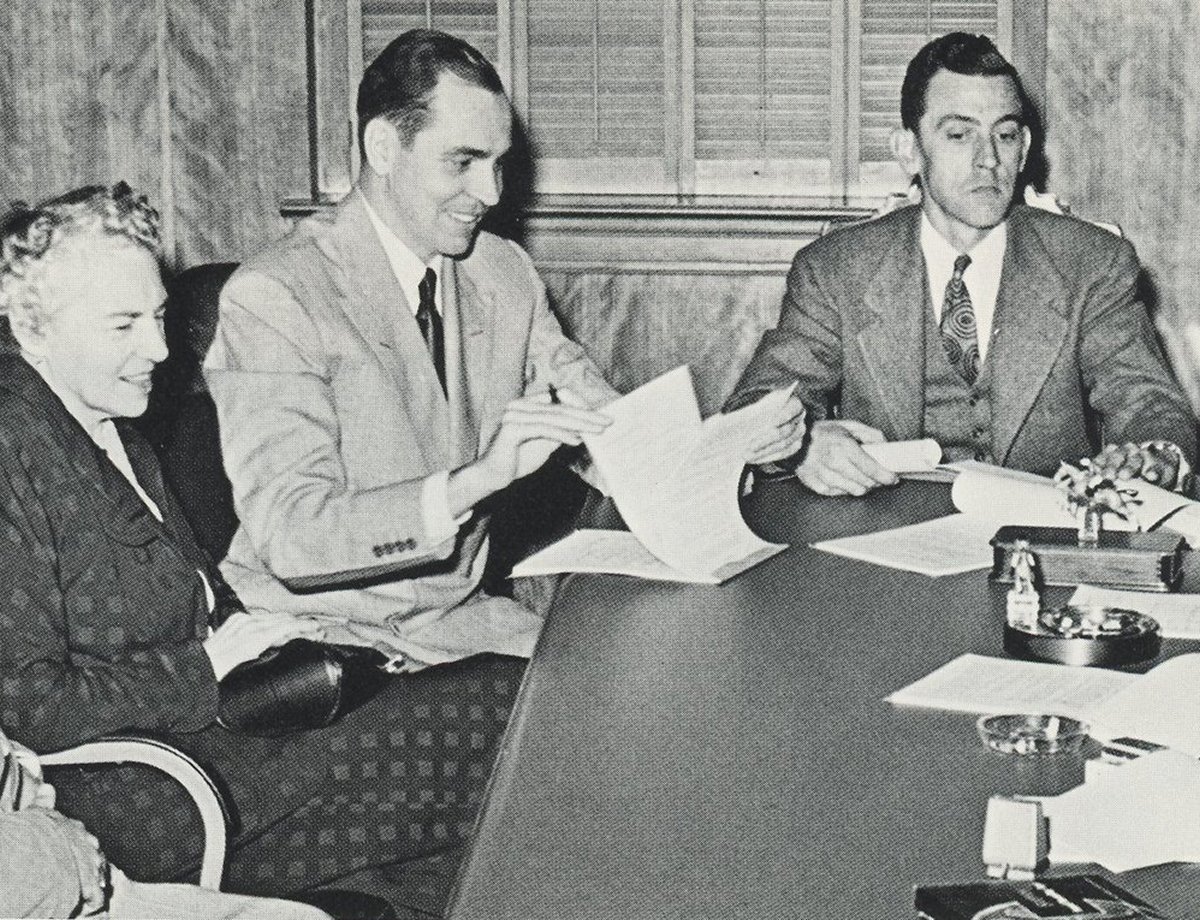
In 1938, following the official retirement of her father, Mildred Westervelt Warner was appointed President and CEO of Gulf States Paper Corporation. In truth, she had already been leading the company in all but title since 1929. Her appointment marked a historic milestone—she became one of the first women in the United States to head a major forest products corporation, and she did so during some of the most challenging times in American history.
Mildred's leadership was defined by a rare blend of sharp business acumen and deep compassion for people. She guided the company through the Great Depression and World War II with courage, intellect, and resilience. Her ability to make sound decisions under pressure, while maintaining a strong sense of humanity, earned her the admiration of employees, peers, and industry leaders alike.
An employee once wrote, "Most of all, Mildred inspired love, unity, and loyalty in all who came to know her in the various realms of her busy life, making her leadership effective and successful. She was convinced that all things done in life should not only be worthwhile, but should be fun—including business."
Mildred's legacy as a pioneering executive is not only measured by the company's success under her leadership, but by the culture of integrity, warmth, and purpose she cultivated along the way.
Significant Achievements: A Legacy of Innovation and Stewardship
Mildred Westervelt Warner firmly established herself as the first female titan of the paper industry—an innovator, conservationist, and visionary leader whose accomplishments transformed both her company and the industry at large.
1928 – Mildred oversaw the construction of the Tuscaloosa Paper Plant, consolidating and relocating all U.S. operations to Tuscaloosa, Alabama—laying the foundation for the company's future growth.
1930s – She created one of the first professional forestry organizations within a private company, pioneering sustainable forest management practices.
1948 – She led a major expansion of the Tuscaloosa plant, nearly doubling its capacity, and launched a forestry outreach program to help Alabama landowners adopt responsible conservation practices.
Early 1950s – Mildred directed the development of the Demopolis mill, which featured the first continuous digester for bleached market pulp in the paper industry—a groundbreaking innovation.
1953 – She established the Westervelt Game Preserve, a 12,000-acre working wildlife sanctuary in Pickens County, Alabama, reintroducing eastern turkey and white-tailed deer to the region.
1956 – Mildred hired the first corporate wildlife management specialist in the South, ensuring that company operations supported biodiversity. The resulting game management program became a model for others across the industry.
1957 – By the time she retired, she had grown the company's timberland holdings from 80,000 to over 330,000 acres, a testament to her long-term vision and commitment to sustainable growth.
Mildred's achievements were not only milestones in business—they were bold statements about what leadership, innovation, and stewardship could look like when guided by purpose and passion.
Recognition and Awards
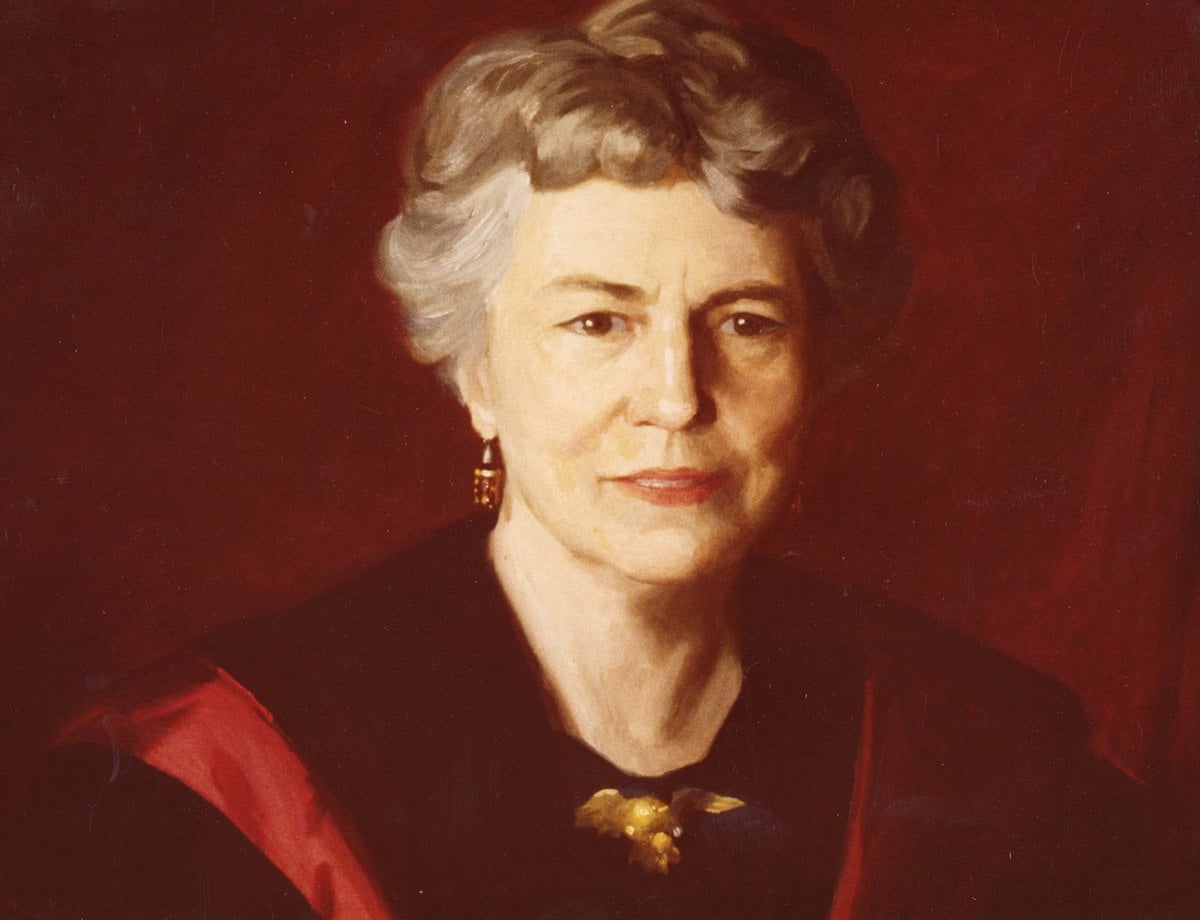
Mildred Westervelt Warner's trailblazing leadership and lifelong service earned her numerous honors, reflecting both her professional achievements and her profound impact on the community:
- Honorary Doctor of Law Degree – University of Alabama (1956)
- Woman of Achievement Award – Tuscaloosa Business and Professional Women's Club
- Alabama Business Hall of Fame (1974)
- First Citizen of the Year – Tuscaloosa Civitan Club (1974)
- Alabama Women's Hall of Fame (1984)
- Tuscaloosa County Civic Hall of Fame (2002)
Her Own Words
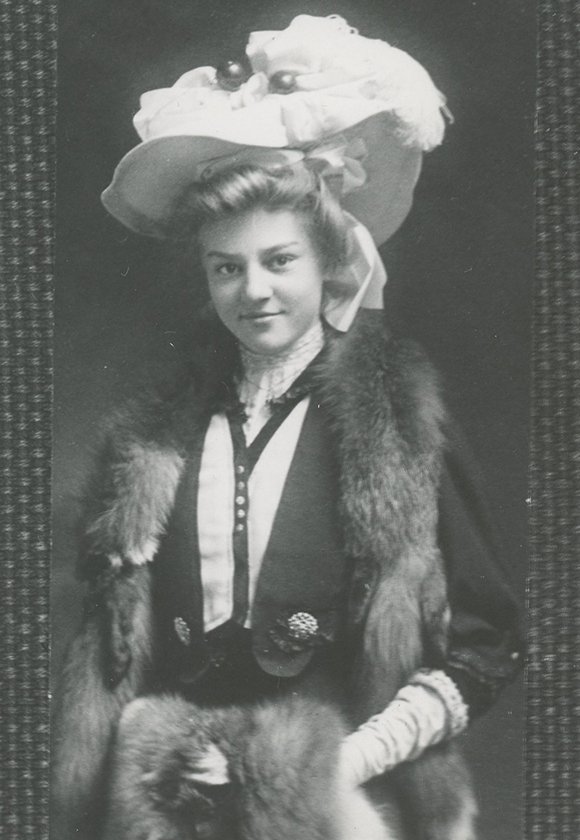
Mildred's philosophy of leadership was rooted in service, integrity, and purpose. In 1938, she wrote:
"Industry means so much more to me than just the success of our company. It means the basic desire and determination to serve humanity – to make the best possible product, at the least possible cost (after ensuring good wages and working conditions); and to sell this quality product at the lowest reasonable price, after a fair return to the stockholder, and the vital 'nest-egg' for plant repairs, upkeep and modernization."
She believed that "service must come before profit in successful industry," a principle she returned to in a 1939 company newsletter:
"We all know that if any company goes too long without profits it just keeps right on going—going—until it is GONE! But we also know that we would not want to work for a company whose major purpose was the accumulation of profits at any cost...
'Profits' could not be the predominant motive of any concern that has stayed in business over fifty years...
SERVICE must come before PROFIT in successful industry, just as much as in science or the professions."
Retirement and Later Life
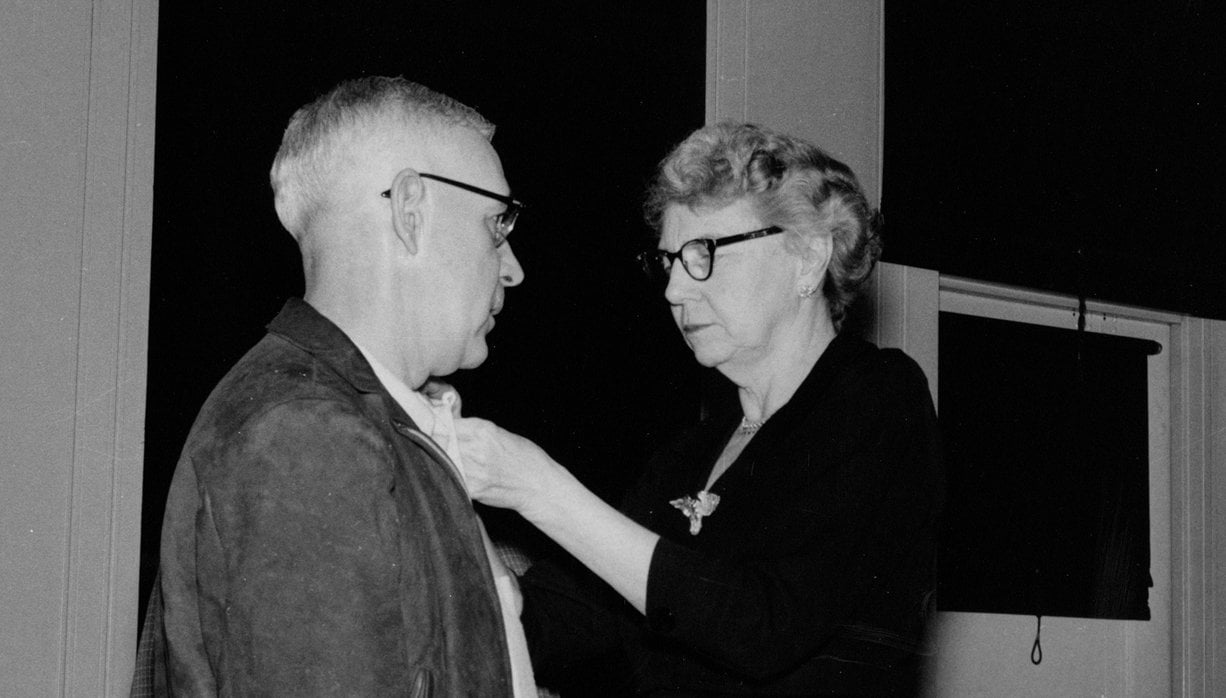
After stepping down as President in 1957, Mildred served two more years as Chairman of the Board before devoting herself fully to philanthropy. Her generosity touched churches, schools, libraries, orphanages, YMCAs, and scouting organizations across Alabama. She had a deep appreciation for history and preservation, and a strong belief in the American story of progress. Her artistic sensibility was evident in the beautifully appointed sanctuary of her church, where she served in many roles.
Mildred Westervelt Warner passed away on March 12, 1974, at the age of 80 in Tuscaloosa, Alabama.
Her passing was met with an outpouring of love and remembrance. Hundreds of letters arrived from employees, customers, competitors, and citizens—each a testament to the lives she touched.
One former employee captured her spirit best:
"In remembering Mildred Westervelt Warner, many different things can be said, and all of them are good. But most of all she'll be remembered as a gracious lady who called you by name, shook your hand, asked about your family, and was sincerely glad to see you.