Threatened Frog Spotted in Mosquito Fire Burn Scar
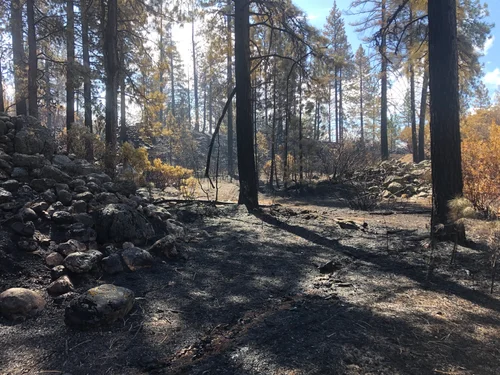
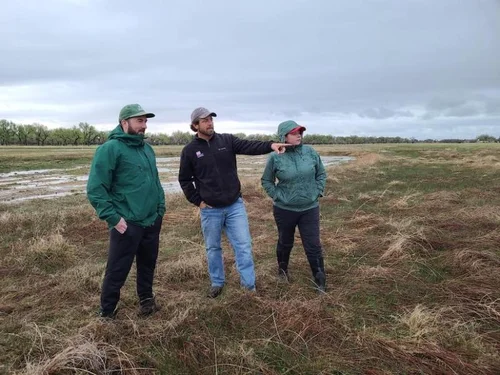
Almost a year has passed since the Mosquito Fire roared through the American River Canyon just outside the small northern California community of Foresthill. Steep hillsides covered in oak and pine trees, shrubs and grasses went up in flames. The fire started on September 6, 2022, and burned for 46 days, destroying homes and small businesses and blackening more than 76,000 acres of National Forest and privately-owned lands. But a recent visit to the burn area provided some hope to wildlife biologists. A small population of California red-legged frogs, a threatened species, survived the fire.
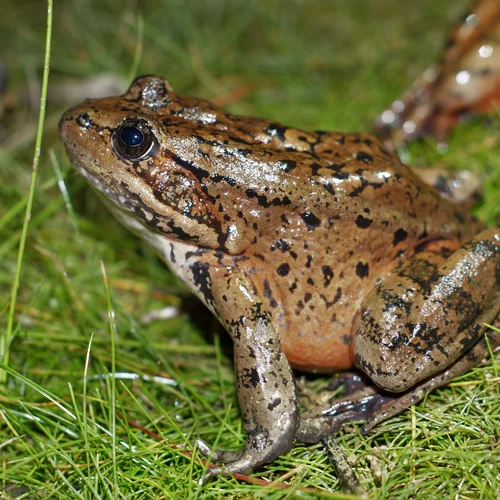
Post-fire survival of the threatened California red-legged frog
Fire in the landscape is a natural disturbance factor to which native species have evolved, particularly in the western United States (Pilliod et al. 2003; Jager et al. 2021). Large-scale wildfires can temporarily reduce thatch, directly kill wildlife, change soil chemistry, facilitate immigration and emigration, open otherwise closed habitats, redistribute vegetation communities, reduce, or eliminate some habitat types, and have other positive or negative impacts (Romme 1982; Pease et al. 1989; Pilliod et al. 2003; Smucker et al. 2005; Rochester et al. 2010).
Colorado Mitigation Procedures
The recently implemented Colorado Mitigation Procedures, Colorado Stream Quantification Tool and mitigation banking have greatly improved how the U.S. Army Corps of Engineers Omaha District’s Denver Regulatory Office analyzes permit applications under Section 404 of the Clean Water Act.
The COMP, developed by Colorado regulatory offices, provides regulatory specialists with a framework to objectively evaluate a wetland or a stream’s functional condition by providing a measurable and repeatable method of calculating debits and credits for wetland and waterway impacts caused by permitted activities.
Environmental Professionals Podcast
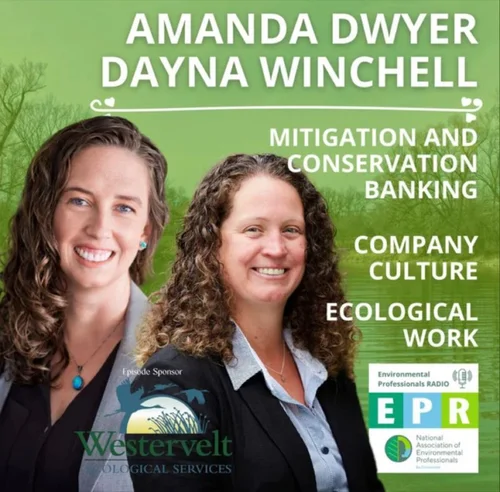
Mitigation and Conservation Banking, Company Culture, and Ecological Work with Amanda Dwyer and Dayna Winchell
Enon-Sehoy Mitigation Bank Acquired by Westervelt
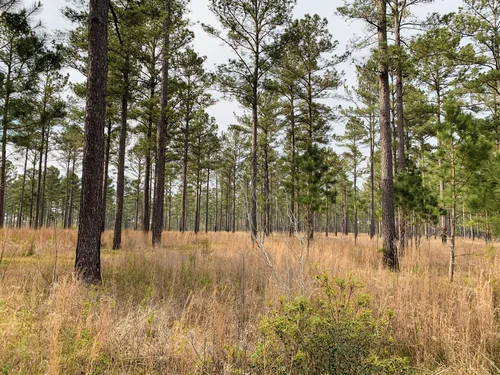
Westervelt Ecological Services (WES) has acquired the Enon-Sehoy Mitigation Bank (ESMB) located in east-central Alabama between Phenix City and Union Springs.
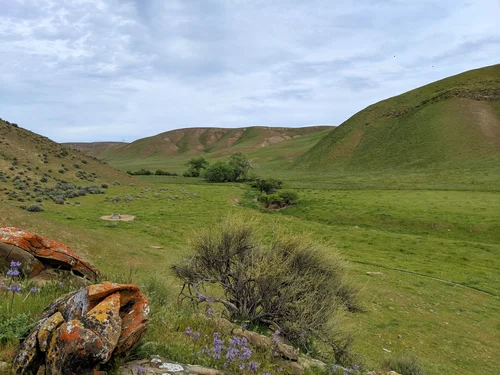
CDPQ invests in Westervelt Ecological Services, a leader in habitat restoration and long-term land stewardship
The Westervelt Company today announced an investment by CDPQ, a global investment group, in its subsidiary Westervelt Ecological Services (WES), a leader in habitat restoration and long-term land stewardship.
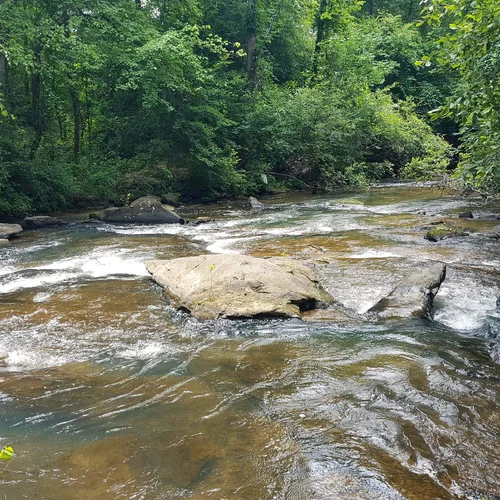
Land Report 100 - Westervelt Ecological Services
The past, present, and future of the Westervelt Company are all easily visible from a small ridge in Central Alabama. On the opposite side of the valley stands a pine plantation, remnants of when the Westervelt Company was known as Gulf States Paper Corporation. Row upon row of monochrome pine trees stand at attention, six feet apart.